Complete Australian guide
Online Pokies Australia: A Practical Guide for Players
This long-form guide explains how digital pokies work, what Australian players should compare, how free and real-money formats differ, and why legal status, payment terms, and personal limits matter before play begins.
Understanding online pokies and how each spin works
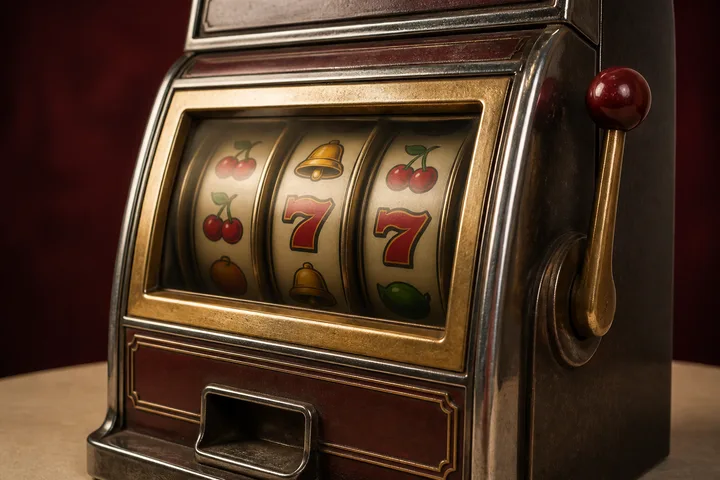
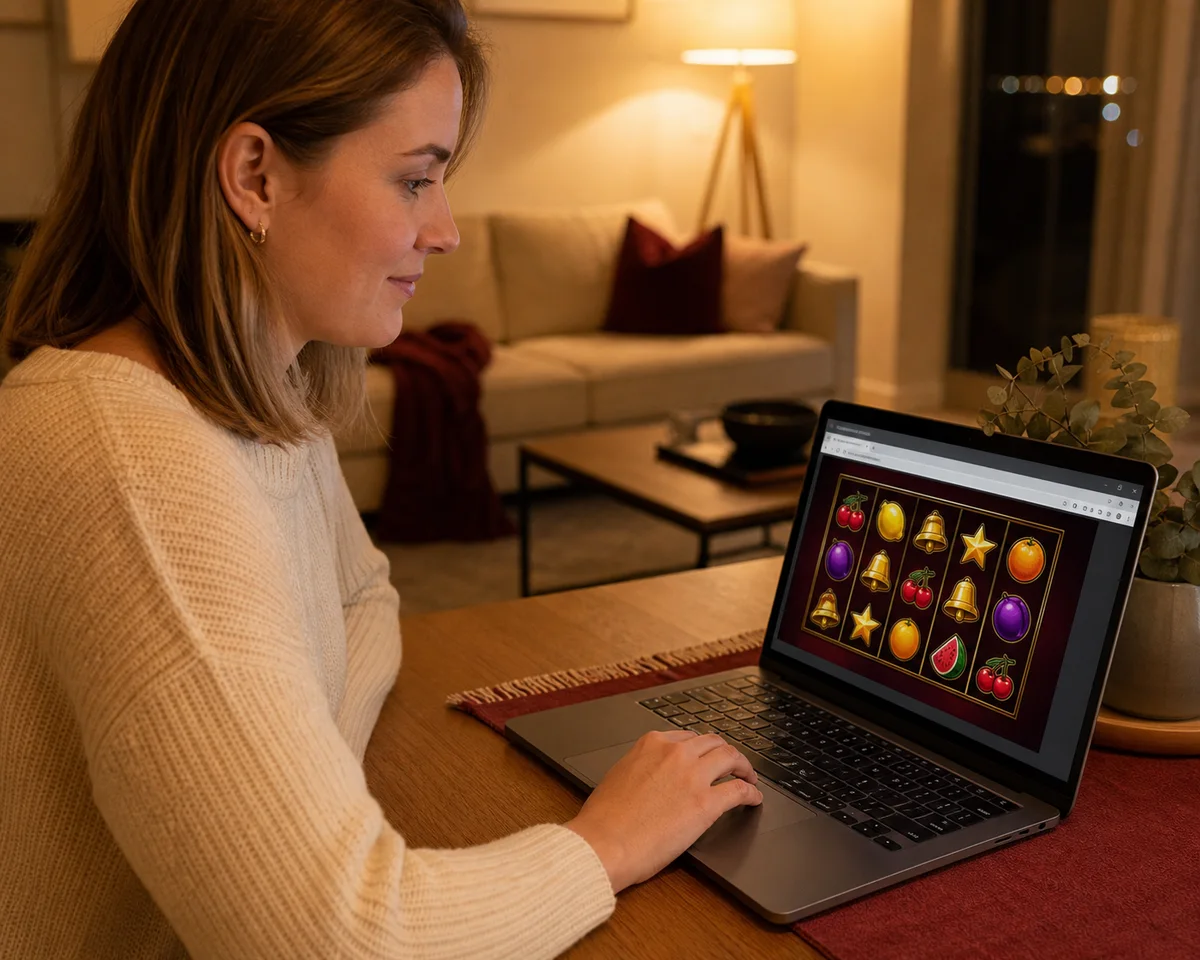
The term online pokies is commonly used in Australia for digital reel games that run in a web browser or mobile interface. Although themes range from fruit machines and ancient civilisations to films, animals, and fantasy worlds, every game is built around a defined set of rules. Reels display symbols, a paytable assigns values to combinations, and the stake determines how much is committed to a round. The screen may look simple, but players should understand those rules before pressing spin.
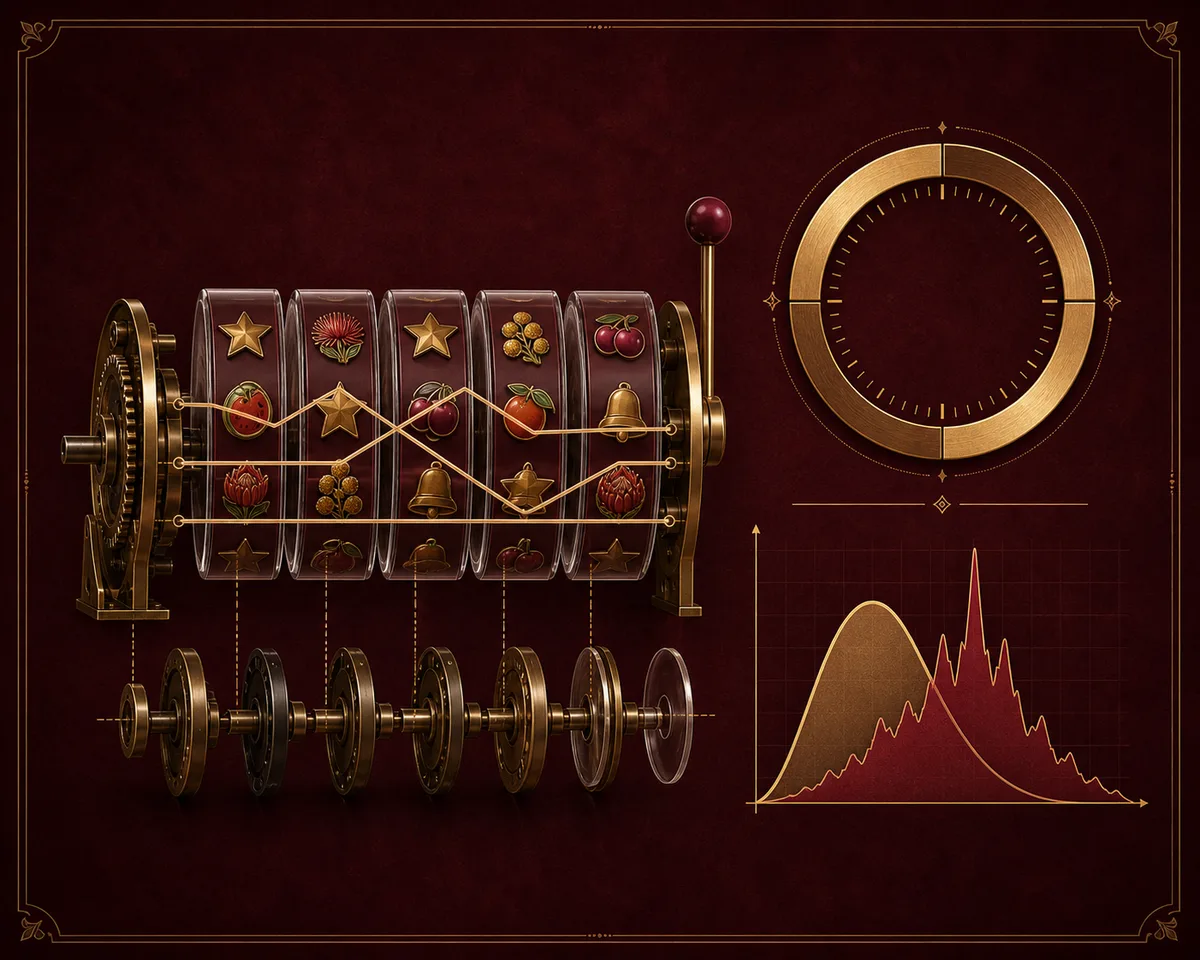
A random number generator determines each valid result. The outcome is created independently when the round begins; it is not selected because a game has recently paid a prize or because it has gone through a long period without one. A sequence of losses does not make a win due, and a previous win does not make the next spin safer. This independence is the most important concept for anyone trying to evaluate a pokie without relying on myths.
Digital games can present results with dramatic animation, near-miss effects, sound, and celebratory graphics. Those elements influence the pace and mood of play, but they do not change the value recorded by the game system. Players should judge a result by the amount staked and the amount returned, not by the volume of the animation. A return smaller than the original stake is still a net loss for that round even if the screen describes it as a win.
Popular pokie formats available online
Classic pokies usually use three or five reels, a small group of traditional symbols, and a limited number of paylines. Their appeal is clarity: the paytable is often shorter and the relationship between matching symbols and a prize is easier to follow. Video pokies generally add more rows, animated sequences, free-spin rounds, expanding symbols, multipliers, or alternative ways-to-win systems. More features create variety, but they also make it more important to read the information panel.
Jackpot pokies attach a fixed or progressive top prize to the base game. A fixed jackpot keeps the same advertised value until the rules change, while a progressive jackpot can grow as eligible stakes are placed across one machine, one group of games, or a wider network. The largest displayed prize may require a specific stake, side bet, symbol combination, or randomly triggered feature. The headline number alone never explains the complete conditions.
Other formats include cascading reels, where winning symbols disappear and are replaced during the same sequence; cluster games, where groups of matching symbols pay without conventional lines; and Megaways-style games, where the number of visible symbols can change from spin to spin. None is automatically better. A suitable format is one whose cost, pace, rules, and risk are easy for the player to understand.
RTP, house edge, hit frequency, and volatility
Return to player, usually shortened to RTP, is a theoretical percentage calculated across a very large number of rounds under the stated game settings. An RTP of 96 percent does not promise that a person staking $100 will finish with $96. One short session can end far above or below the theoretical figure. RTP is useful for comparing game mathematics, but it cannot forecast an individual result or remove the possibility of losing the full amount staked.
The house edge is the mathematical counterpart to RTP. If a game has a theoretical RTP of 96 percent, its theoretical house edge is four percent under the same assumptions. Some titles are supplied in several RTP configurations, so players should check the version shown in the actual information screen rather than relying on a figure quoted by a review, search result, or different operator.
Volatility describes how returns tend to be distributed. Lower-volatility games are generally designed around smaller, more frequent returns. Higher-volatility games may produce longer gaps between wins with a chance of less frequent, larger outcomes. Hit frequency is a separate measure indicating how often any defined winning result may occur. Neither measure tells a player when the next win will happen, and neither turns a random game into a predictable one.
| Game detail | What to check | What it does not tell you |
|---|---|---|
| RTP | The percentage and the version used by the game | Your return from one session |
| Volatility | The general pattern and range of potential outcomes | When a win will arrive |
| Paylines or ways | How matching symbols are evaluated | That more lines guarantee profit |
| Maximum win | The exact trigger, stake, and feature conditions | That the headline amount is likely |
Paytables, bonus rounds, wilds, and wagering controls
The paytable is the rulebook for a pokie. It identifies symbol values, qualifying combinations, paylines or winning ways, and the conditions for special features. A wild may replace selected symbols, while a scatter can pay anywhere or unlock free spins. Multipliers increase a defined return, and a bonus-buy option charges a separate amount for immediate access to a feature. Exact behaviour varies, so familiar labels should never replace reading the rules.
Before starting, check the minimum and maximum stake, whether changing the stake changes eligibility for any jackpot, and whether all lines are active automatically. Autoplay, turbo modes, and quick-spin controls can compress many decisions into a short period. Faster play does not improve RTP; it simply increases the number of rounds that can be completed in the same time. Slowing the interface down makes it easier to track spending and stop at a planned limit.
Promotional credits require a separate review. A bonus can include wagering requirements, maximum stake rules, excluded games, an expiry date, or a cap on the amount that can be converted to withdrawable funds. The advertised value is only the beginning of the offer. If the complete terms are difficult to locate or conflict with the cashier screen, do not treat the promotion as available money.
Free-play demos compared with real-money games
A free demo uses virtual credits and can help a reader learn the controls, open the paytable, watch a feature sequence, and decide whether the pace is comfortable. No deposit should be required for a genuine demo, and virtual balances cannot be withdrawn. Free play is best treated as product education rather than a practice system for building a winning strategy.
Demo outcomes do not predict later real-money outcomes. A large virtual win does not make the paid version more likely to return money, and repeated demo losses do not mean the game has become due. Players should also check whether the demo and paid versions publish the same RTP and rules, because providers may distribute more than one configuration of a title.
Real-money play adds financial risk, identity checks, payment rules, and legal considerations. In Australia, online casino services and online slot machines offered to people in Australia are prohibited interactive gambling services under federal law. That position is different from free games, licensed venue-based machines, and regulated wagering products. Readers should consult current ACMA guidance rather than assuming that an Australian theme, AUD cashier, or local payment option proves legality.
Mobile pokies, browser access, and account security
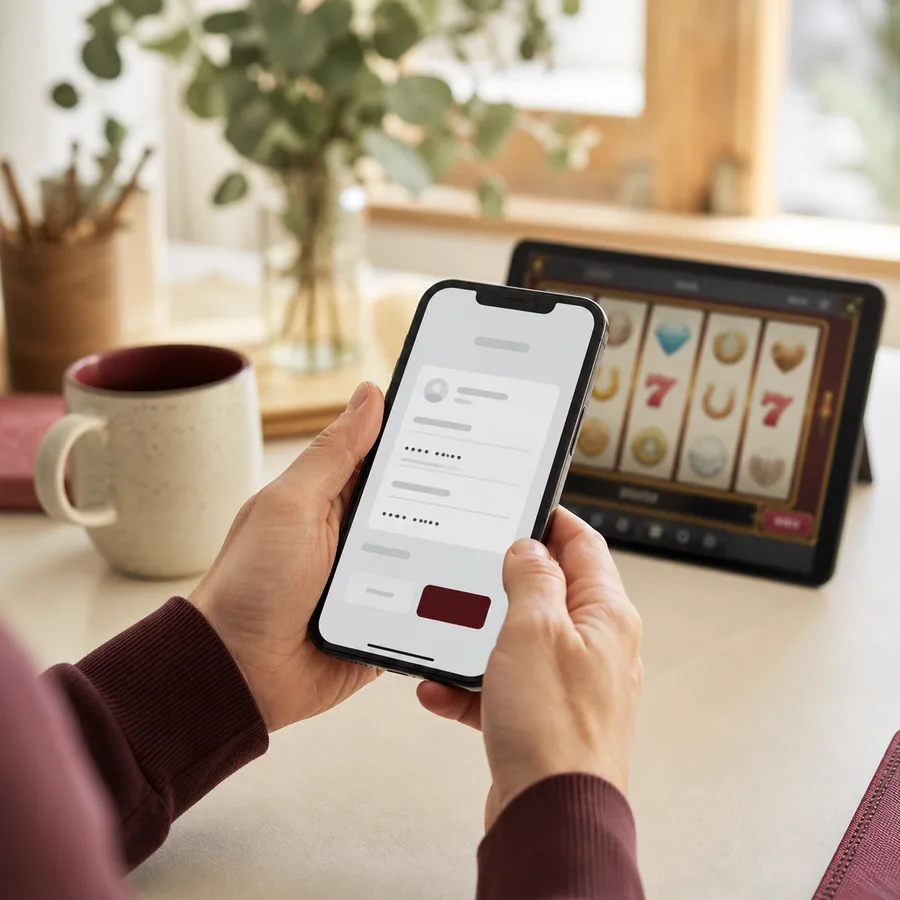
Most modern digital pokies use responsive browser technology, allowing the same game to fit a phone, tablet, laptop, or desktop screen. Mobile access is convenient, but a smaller display can hide the paytable, balance, session timer, or stake controls behind menus. Before playing, locate each control and confirm that the amount shown is the total cost per spin rather than a coin value that will be multiplied across lines.
Account security matters whenever a website holds personal or payment data. Use a unique password, enable multi-factor authentication where available, and avoid entering credentials through links received in unexpected messages. Check the domain carefully and do not assume that a copied logo indicates an official page. Shared devices and public Wi-Fi add further risk, particularly when payment or identity documents are involved.
Notifications can also make mobile play feel continuous. Turning off promotional alerts, removing saved payment details, and setting device-level time reminders can introduce useful pauses. A gambling session should be a deliberate decision, not an automatic response to a push notification or limited-time message.
Deposits, PayID, withdrawals, and common warning signs
Payment methods describe how money moves; they do not establish whether the receiving service is lawful or trustworthy. PayID and bank transfers can be fast, cards produce familiar statements, e-wallets add an intermediary, and cryptocurrency transfers may be difficult to reverse. The important checks are the identity of the recipient, the legal status of the service, applicable fees, minimum amounts, verification requirements, and the written withdrawal process.
Withdrawal terms deserve the same attention as deposit speed. Check whether the operator requires identity documents, whether a bonus must be cancelled or completed, whether daily or monthly limits apply, and how long an internal review can take. Keep copies of the terms accepted at registration and records of transactions. Do not send additional money merely because a support agent claims it is needed to release an existing balance.
Warning signs include payment to an unexplained personal account, frequently changing bank details, pressure to act immediately, requests for remote access to a device, and support staff who refuse to confirm conditions in writing. If a transfer appears unauthorised or suspicious, contact the relevant financial institution promptly. If an online gambling service may be operating illegally in Australia, ACMA provides information and a complaint channel.
A practical checklist before considering any pokie
A clear decision process is more useful than chasing a supposed hot game. Start by checking the current law and the identity of the provider. Read the paytable and confirm the total stake. Compare the published RTP and volatility without treating either as a guarantee. Review payment and bonus terms, decide how much time and money can be lost without affecting essential expenses, and set those limits before a session begins.
- Only adults aged 18 and over should access gambling content.
- Never borrow money, use essential funds, or chase a previous loss.
- Do not increase a limit because a session is going badly or nearly finished.
- Take regular breaks and avoid play when upset, tired, or affected by alcohol.
- Use deposit limits, time-outs, and self-exclusion tools when needed.
- Seek confidential support early if gambling stops feeling controlled.
Pokies are paid entertainment with an embedded mathematical advantage for the provider. No theme, bonus, payment method, betting pattern, or previous result can guarantee profit. The most useful guide is one that makes the mechanics and risks easier to see, gives readers enough information to question promotional claims, and treats stopping as a normal part of play rather than a failure.
Australian readers can obtain free and confidential support from Gambling Help Online or call the Gambling Helpline on 1800 858 858. Help is available even when a concern feels small. Setting limits early, talking to someone, or taking a complete break can prevent a manageable problem from becoming more serious.